 Minnesota Then
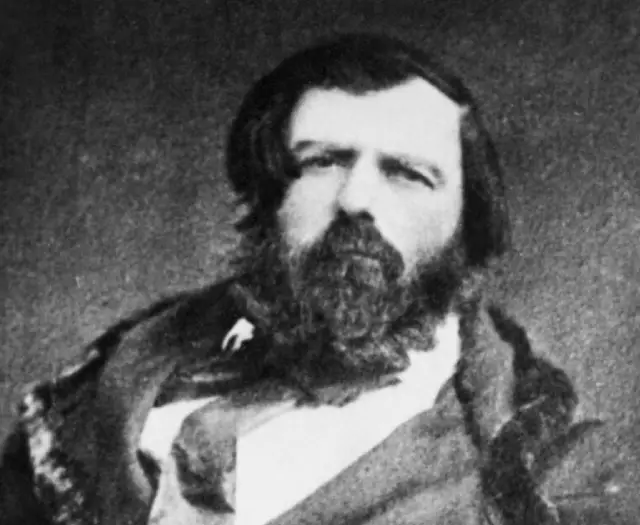
On March 1, 1856, the Minnesota Territorial Legislature incorporated the St. Peter Company and gave it authority to develop land and real estate in St. Peter, Nicollet County. The timing wasn't an accident. Territorial Governor Willis Gorman and several key legislators—many of them land speculators themselves—were betting that the capital would soon move from St. Paul to St. Peter. Get in early, they figured, and you'd make a fortune once the relocation bill passed.
By 1857, it looked like their gamble might pay off. On February 6, the legislature introduced a bill to move the capital to St. Peter. It barely passed the Council (later the Senate) on February 12, squeaking through 8-7. Six days later, the House approved it 20-17. An amendment proposed by St. Paul legislators to move the capital to Nicollet Island was narrowly defeated 18-17, with opposition from all four Hennepin County members.
With the bill passed, Governor Gorman, a member of the St. Peter Company with a vested interest in the transaction, signaled he'd sign it into law. If the bill became law, it would funnel wealth and influence into the hands of a small group of well-connected speculators. St. Peter would boom overnight. Land values would skyrocket. Settlers would flood in. The move seemed like a done deal.
Then Joe Rolette stepped in. A representative from Pembina, Rolette was one of seven councilors who'd voted against the relocation. The St. Paul faction, which had successfully raised a sizable defense fund to protect the city's status, viewed Rolette as their best chance to kill the bill. He chaired the Committee on Enrolled Bills—the last stop for any legislation before it reached the governor's desk. When pressed to hand over the bill, Rolette's response was blunt. According to the St. Peter Courier, he'd report the bill only "when he got ready," then "positively refused" to surrender it. The message was clear: he intended to run out the clock. On February 28, with just five days left in the legislative session, Rolette took the bill and vanished.
What happened next was equal parts myth, legend, and political chess. Rolette's disappearing act wasn't just a stunt—it was strategic; by holding the official bill, he blocked the speculators and forced the question of the capital's future back into public debate. The public had a field day, speculating Rolette was hiding out at St. Paul's Fuller House, drinking whiskey and playing cards, while others claimed he'd bolted north toward Pembina. The legislature immediately sent Sergeant-at-Arms John M. Lamb to retrieve the missing bill, but Rolette—likely being shielded by grateful St. Paul citizens—refused to appear, and Lamb returned empty-handed.
Proponents of relocation desperately initiated a procedural trap: the "Call of the Council." This maneuver forced the members into a historic 123-hour continuous session, waiting for Rolette to return. Meanwhile, the legislature scrambled to draft a replacement bill, but when it reached the Council president for signature, he refused. Instead of signing, he wrote his reasons for declining on the back of the document.
At the stroke of midnight on March 7, 1857, Council President John Brisbin officially ended the session. Just as the gavel fell, Rolette walked into the chamber, bill in hand, and took his seat. Legally, it was too late to sign the bill. The legislative session was over. St. Paul remained the capital city. When questioned, Rolette – tongue likely planted firmly in cheek – claimed he had tucked the bill into his hat, and it had blown away in the wind, leading him on a wild chase all the way back to his home in Pembina.
Unwilling to concede, Gorman and the other St. Peter Company investors sued, taking their case to the Territorial Supreme Court. They argued that passage through both legislative chambers should be enough to make the relocation official. The lawsuit raised real questions about how much procedure mattered and what role the executive played in finalizing legislation. But, in the end, the court ruled against them. The process hadn't been completed properly. Rolette's disappearance and the missed deadline killed the bill.
Although the failed relocation attempt occurred while Minnesota was still a Territory, St. Paul definitively remained the capital upon statehood in 1858. With the capital relocation decisively blocked, the speculative real estate market in St. Peter collapsed. Land that had been valued at $1,500 per plot dropped to $15. The prospects of the St. Peter Company were destroyed, and the city never saw the economic windfall it had been counting on. While the court might have sided with St. Paul regardless—ruling the removal illegal—Joe Rolette didn't wait around for the legal process. By ensuring the legislative defeat, he became an instant hero to the people of St. Paul, and a bitter enemy to the people of St. Peter.